
Sport
About Kho Kho
The origins, defining qualities, team structure and essential character of the Game of Chase.
INTRODUCTION
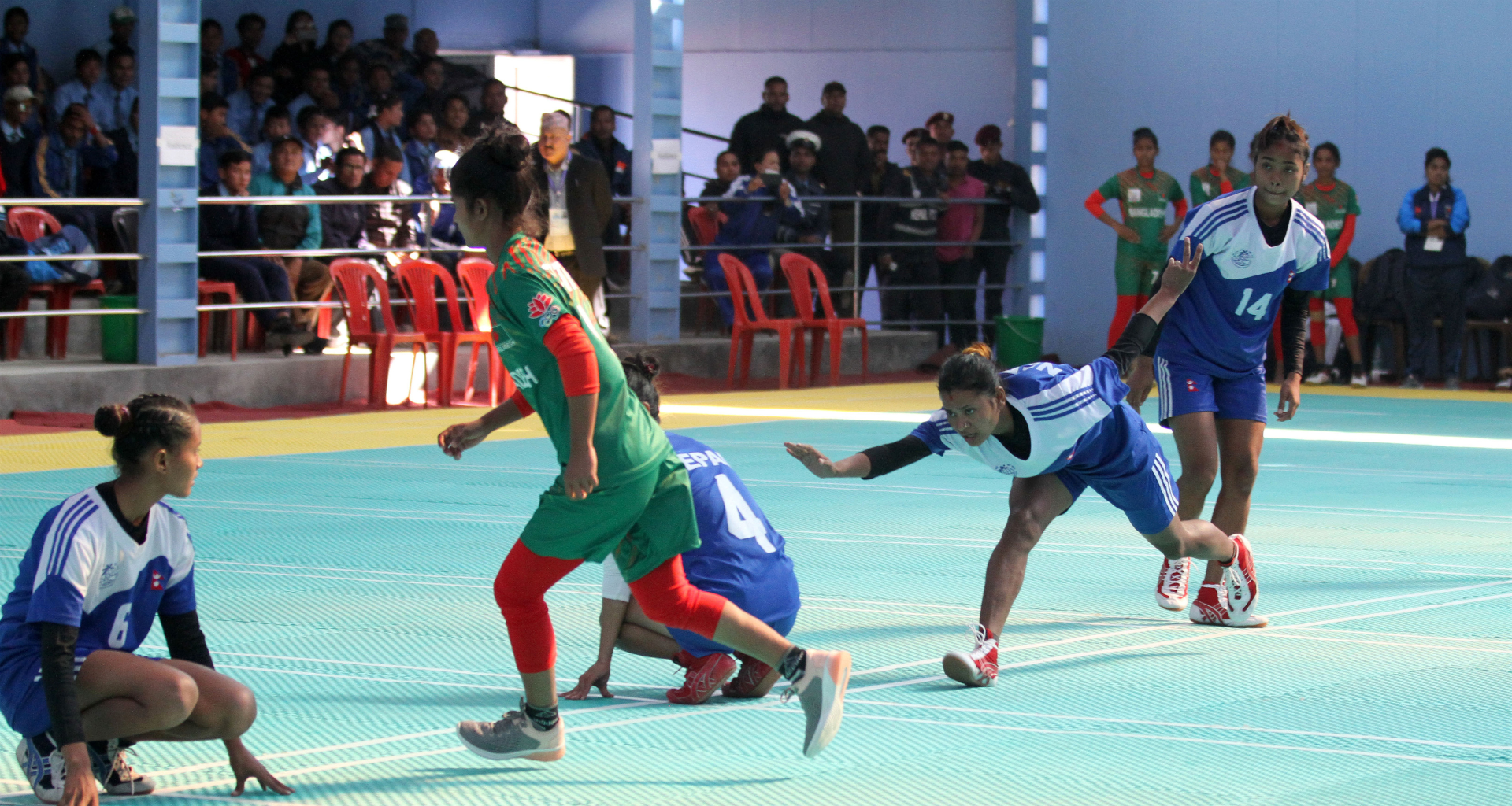
Kho Kho is one of the most widely played traditional team sports originating from India. It is enjoyed by men, women and children and has developed into a competitive sport played at national and international levels.
The game is based on the fundamental principles of tagging, chasing and evasion. Its simplicity, limited equipment requirements and engaging nature make it accessible to players from diverse backgrounds. At the same time, competitive Kho Kho demands a high degree of physical fitness, speed, strength, stamina, agility, coordination and tactical awareness.
Kho Kho is not merely a running game. Its distinguishing feature is the organised and strategic pursuit of Defenders by the Chasers. Skills such as dodging, feinting, sudden acceleration, controlled changes of direction, pole turning, diving and coordinated team play make the game fast, skilful and exciting.
The sport also promotes important personal and team values, including discipline, obedience to the Rules, sportsmanship, courage, cooperation, loyalty, respect and collective responsibility. Success depends not only on individual ability but also on communication, coordination and trust among team members.
Historical Background
Active chase is the central principle of Kho Kho, which is therefore commonly described as the Game of Chase. The basic instinct to pursue, evade and outmanoeuvre an opponent has existed throughout human history and forms the foundation of many traditional games.
Kho Kho has deep historical and cultural roots in the Indian subcontinent. Traditional accounts associate certain formations, movements and defensive strategies used in the game with ancient military tactics described in Indian historical and mythological traditions. The zigzag movement of Defenders and coordinated pursuit by Chasers are sometimes compared with strategic formations and retreating movements used in ancient warfare.
Similar chase-and-evasion tactics are also traditionally associated with military strategies used during later periods of Indian history. However, the precise historical origin of the organised sport cannot be established conclusively through available documentary evidence.
Maharashtra is generally regarded as an important centre in the early development and formal organisation of modern Kho Kho. Earlier forms of the game were commonly played in open spaces, particularly in rural communities and during festivals, often on natural earthen surfaces and without specialised equipment.
Despite receiving limited institutional recognition during certain periods, Kho Kho remained popular among communities across India because of its simplicity, competitive character and cultural significance. Its continued practice in schools, villages, clubs and local competitions contributed to its preservation and eventual development into a standardised competitive sport.
Over time, formal rules, defined playing-field dimensions, structured competition formats and organised officiating systems were introduced. These developments enabled Kho Kho to progress from a traditional recreational activity into a modern team sport with growing participation and recognition across Asia.